A 4-Week Python Vocabulary Syllabus for Bootcamps
This syllabus pairs weekly Python term sets with mini-project prompts so students connect vocabulary to real code outcomes.
- Pair weekly vocabulary sets with mini-projects to improve transfer to coding tasks.
- Use consistent 20-minute routines to build retention habits.
- Assess definition accuracy, in-code usage, and verbal explanation together.
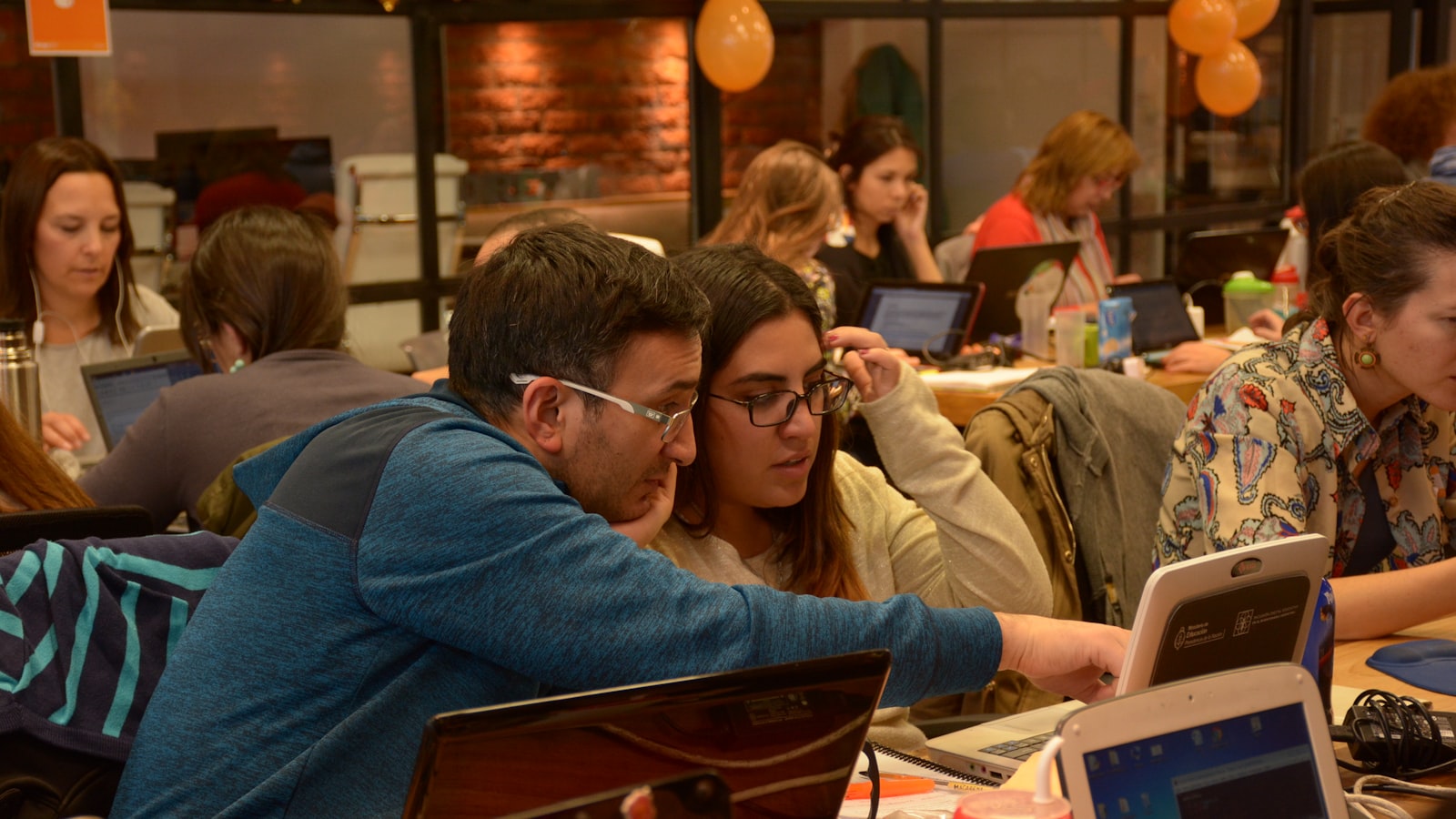
Bootcamp students often memorize Python syntax but struggle to explain concepts clearly during pair programming and interviews.
This syllabus focuses on language precision and practical usage, not just term recognition.
Week-by-week plan
Week 1: Core language terms
Target terms:
- VARIABLE
- FUNCTION
- LIST
- DICTIONARY
- LOOP
- CONDITIONAL
Mini-project: Build a simple expense tracker that stores transactions in a list of dictionaries.
Week 2: Reuse and structure
Target terms:
- MODULE
- PACKAGE
- IMPORT
- CLASS
- OBJECT
- METHOD
Mini-project: Split a command-line utility into reusable modules and classes.
Week 3: Reliability and testing
Target terms:
- EXCEPTION
- TRY
- ASSERT
- PYTEST
- MOCK
- FIXTURE
Mini-project: Add tests and error handling to the week 1 project.
Week 4: Performance and modern patterns
Target terms:
- GENERATOR
- DECORATOR
- CONTEXTMANAGER
- ASYNC
- AWAIT
- PROFILING
Mini-project: Refactor one I/O-bound operation using async workflows and compare runtime.
Daily classroom routine (20 minutes)
- 5 min review of previous terms
- 8 min puzzle run
- 7 min code application prompt
Assessment model
Track three signals each week:
- Definition accuracy
- Correct term usage in code comments
- Verbal explanation quality in code walkthrough
Teacher implementation notes
- Keep term sets small and stable each week.
- Reuse the same terms in code review language.
- Ask students to define terms before writing code.
Final recommendation
Vocabulary training works best when each term appears in puzzle, code, and discussion within the same week.
- The Python Tutorial: Modules
Python Software Foundation
- The Python Tutorial: Classes
Python Software Foundation
- The Python Tutorial: Errors and Exceptions
Python Software Foundation
Use This Framework in Your Next Session
Start with a category puzzle, then connect the terms to real project examples.