A Remote Team Facilitation Playbook for IT Wordsearch Sessions
Run high-signal remote vocabulary sessions with clear time boxes, role assignments, and post-session action prompts.
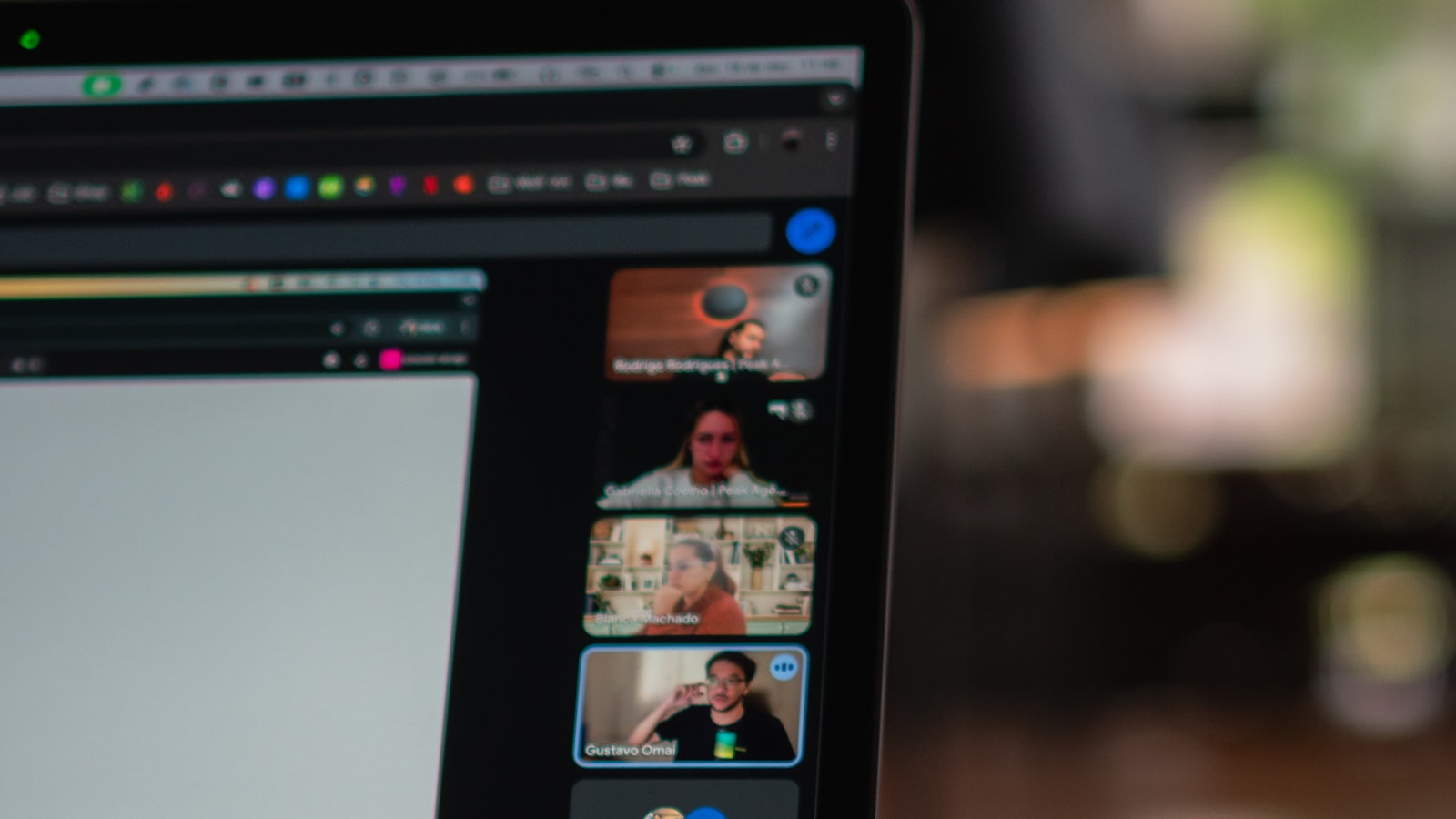
- Use explicit host, recorder, and reviewer roles in remote sessions.
- Time-box activities to 20 minutes for consistent participation.
- Capture confusion points and action items in reusable team docs.
Remote workshops often fail because sessions are unstructured and participation drops after the first few minutes.
This playbook helps distributed engineering teams run short, repeatable IT Wordsearch sessions that produce useful technical discussion.
Session objective
Use a 20-minute format to improve shared technical language before planning meetings, incident reviews, or onboarding handoffs.
Recommended facilitator roles
1. Host
- Keeps session on time
- Selects the category
- Guides transitions
2. Recorder
- Captures term misunderstandings
- Notes examples from participants
- Logs follow-up items
3. Reviewer
- Confirms final term definitions
- Identifies unclear usage patterns
20-minute remote agenda
- Context setup (2 min)
- Puzzle play (8 min)
- Term discussion (7 min)
- Action summary (3 min)
Discussion prompts that work well
- "Where did this term appear in our sprint?"
- "What misunderstanding does this term usually cause?"
- "What is one concrete example from production?"
Avoid yes/no questions because they reduce signal quality.
Post-session artifacts
Create one short summary in your team wiki:
- 5 key terms reviewed
- 2 common confusion points
- 2 action items for docs or onboarding
This turns session output into reusable team knowledge.
Scaling for larger groups
For teams larger than 12 people:
- Split into breakout groups of 4 to 6
- Use one facilitator per group
- Merge insights in the final 5 minutes
Pitfalls to avoid
- Letting one expert dominate discussion
- Choosing terms unrelated to current team work
- Skipping documentation of confusion points
Final recommendation
Remote sessions succeed when facilitation is strict, prompts are concrete, and outputs are captured. Treat each session as a small operational learning loop.
- All-Remote Meetings
GitLab Handbook
- How to communicate like a GitHub engineer: our principles, practices, and tools
GitHub Blog
- The complete guide to remote onboarding for new-hires
GitLab Handbook
Use This Framework in Your Next Session
Start with a category puzzle, then connect the terms to real project examples.